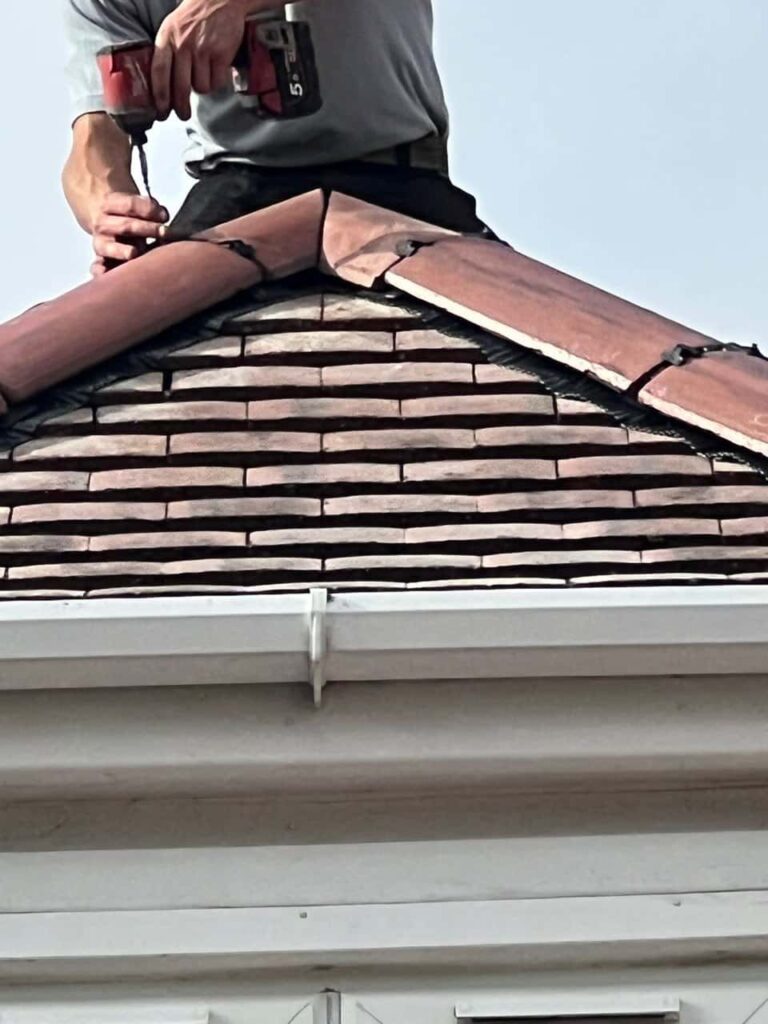
Heavy rain can put significant pressure on a roof, particularly where there are already weakened tiles, damaged flashing, blocked drainage points or ageing materials. While some problems are immediately visible, water can also enter beneath the surface and cause damage that is not noticed until later.
After periods of heavy rainfall, checking for early warning signs can help homeowners identify potential roof problems before they become more extensive. For properties in Rugeley, Staffordshire, understanding what to look for can make it easier to arrange appropriate roof repairs when needed.
Why Can Heavy Rain Cause Roof Damage?
A roof is designed to keep rainwater away from the building, but existing weaknesses can allow water to find a route into the roof structure.
Heavy rainfall can expose problems such as cracked or slipped tiles, deteriorated mortar, damaged flashing and blocked gutters. Strong winds accompanying heavy rain can also move roof coverings or allow rainwater to enter through gaps.
Even when the roof appears intact from ground level, water may have travelled underneath the surface.
Signs of Hidden Roof Damage
Not all roof damage produces an obvious leak. Some signs may only become noticeable inside the property.
Look out for:
- Damp patches or staining on ceilings
- Discolouration around chimney breasts or upper walls
- Peeling paint or damaged plaster
- A musty smell in loft spaces
- Damp or wet insulation
- Drips appearing after rainfall
- Light entering through areas where the roof should be sealed
These signs should not be ignored. A small water stain can indicate that moisture has travelled from another part of the roof before becoming visible internally.
Check the Roof Covering After Heavy Rain
Where it is safe to do so, inspect the roof from ground level for obvious changes. Look for missing, slipped or cracked tiles and areas that appear uneven.
It is not advisable to climb onto a wet roof to investigate suspected damage. Roof surfaces can become particularly slippery after heavy rainfall, and problems may be difficult to identify safely without suitable equipment.
A professional inspection can assess the condition of the roof more thoroughly without relying solely on what is visible from the ground.
Pay Attention to Flashing and Roof Junctions
Flashing is used around areas such as chimneys, roof valleys and other junctions where water needs to be directed away from vulnerable points.
Damaged, loose or deteriorated flashing can allow rainwater to penetrate beneath the roof covering. Because these areas are often difficult to see from ground level, problems can remain unnoticed until damp appears internally.
After heavy rain, unexplained moisture around roof junctions should be investigated to establish where water is entering.
Inspect Gutters and Downpipes
Roof drainage plays an important role in preventing water from accumulating where it should not. Heavy rain can expose problems with blocked or damaged gutters and downpipes.
Signs of drainage problems can include overflowing gutters, water running down walls or damp areas around the roofline.
Keeping gutters and downpipes clear can help rainwater move away from the roof efficiently. If water continues to overflow despite clear drainage, the system may require further inspection.
Why Early Roof Repairs Matter
A roof problem that appears minor can become more complicated if water continues to enter the building. Persistent moisture can affect roof timbers, insulation, ceilings and other parts of the property.
Early investigation allows the source of the problem to be identified and the appropriate repair to be considered. The visible symptom is not always located directly below the point where water entered, which is why professional assessment can be valuable.
Repairing the actual cause rather than simply treating an internal stain can help prevent the same problem from returning.
When Should You Arrange a Roof Inspection?
Consider arranging a professional roof inspection if you notice damp after heavy rain, visible damage to tiles or flashing, persistent gutter overflow or any unexplained moisture in the loft or upper parts of the property.
Prompt attention is particularly useful when a problem appears repeatedly after rainfall. Identifying the source early can help prevent further deterioration and ensure the roof remains suitable for protecting the property.
Roof Repairs in Rugeley, Staffordshire
For homeowners in Rugeley, Staffordshire, heavy rainfall can highlight weaknesses that may have previously gone unnoticed. Rugeley Roofing Repairs can assess suspected roof damage, identify potential sources of water ingress and recommend suitable repair work based on the condition of the roof.
A professional assessment can be particularly helpful when the damage is not obvious from ground level or when signs of damp continue to appear following rainfall.
Conclusion
Heavy rain does not always leave obvious signs of roof damage. Damp patches, damaged tiles, deteriorating flashing, overflowing gutters and moisture in loft spaces can all indicate that water has found a way into the roof.
Checking for these warning signs after periods of heavy rainfall and addressing problems promptly can help protect the roof and prevent minor defects from developing further.
If you have noticed signs of water ingress or suspected roof damage in Rugeley, Staffordshire, contact Rugeley Roofing Repairs to discuss your requirements and arrange a professional roof inspection or repair.
Call us on: 01889 227 295
Click here to find out more about Rugeley Roofing Repairs
Click here to complete our contact form and see how we can help with your roofing needs.